
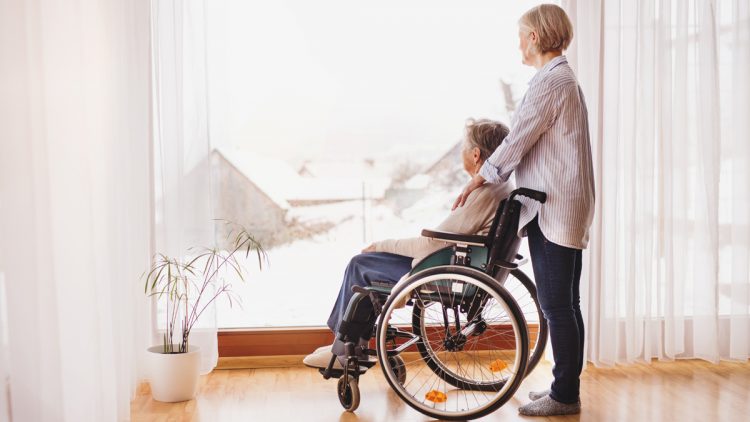
Why Might An Older House Have More Safety Risks Than A New One?
Older homes are typically not as modern or safe as newer homes. This will leave individuals, especially senior citizens, more susceptible to falls and/or injuries.
If you are currently searching for “why might an older house have more safety risks than a new one“, this article will detail the various potential safety hazards.
New Homes Vs Old Homes
Here are a few things that can differ between newer and older homes:
- Location
- Price
- Availability
- Maintenance Requirements
- Home Safety
- Energy Efficiency
All of these items can influence whether you want to live in a newer or older home. Yet, for seniors citizens, newer homes are better suited for their safety needs.
Pros Of Old Homes
Sure, there are many benefits of buying older homes instead of newer models. Most older homes have ideal location, since they were built closer to town centers. Easy access to surrounding restaurants, shops and other amenities are certainly a plus. Older homes are typically in established neighborhoods with long traditions and a greater sense of community.
Older homes, of course, tend to be cheaper than newer homes. Depending on location and condition, these older homes will come with a lower price tag than newer ones in the same area. These older homes are also great for homebuyers not wanting to wait long to move in. Count on excellent availability since older models won’t require any finishing touches from developers, unlike newer homes.
Cons Of Old Homes
Unfortunately, too often the cons will outweigh the pros when it comes to purchasing and living in an old home. For seniors, keeping up with maintenance or remodeling needs that come with an old home is nearly impossible, physically. Some old homes will have inefficient plumbing and/or heating systems. Replacing heating equipment, air conditioners and electrical wires creates a very dangerous situation for seniors. Plus, any repairs will likely come with a hefty price tag.
It’s no secret that newer homes are safer than old ones. Newer homes may come fully equipped with safety features like security locks, lights and burglar alarms. This equipment is essential for a senior living alone. If fires start in the home, is your older model designed to protect you? Newer homes will have smoke alarms and fire doors.
Energy efficiency may not be at the top of the list for the elderly, but this can pose a danger, as well. You’ll want all your walls, floors and ceilings to be well insulated. Seniors will need the home to be at a temperature of their liking, avoiding any potential illnesses.
Old Home Safety Checklist
Here are a few things you can do in your home, you may not have thought of, addressed or knew would assist you in being falls free in and around your home:
- Ensure exterior pathways are free of holes, loose stones/bricks, uneven pavement, debris or other slipping hazards.
- All entrances are clutter free.
- Handrails are present on both sides of all steps and stairways both inside and outside the home.
- Kitchen cabinets are easily accessible, with frequently used items placed on lower shelves.
- Uncarpeted steps feature a non-slip surface such as adhesive strips.
- Electrical and phone cords are placed out of the way, along the wall.
- Hallway lighting is easily accessible.
- Safety grab bars are present at shower entry and interior of shower as needed.
- Bathroom rugs should be rubber, based, non-slip. Bathroom floors, tubs and shower surfaces are treated with non-slip product to ensure increased COF (Coefficient of Friction), when surfaces are wet – critically reducing fall risk – Note: The Bathroom is the number one place for falls in the home).
- Access to telephones both landline and/or mobile in or near multiple rooms, including the bathroom.
- Furniture should be arranged to allow for easy, obstacle free passage.
- Do doorways safely accommodate walkers, wheelchairs and/or transport chairs?
Understanding Functional Capacity Evaluation Services for Workers Compensation Cases.
When an employee is healing from an accident, one important question decides what to do next: what can this person safely accomplish at work right now? A Functional Capacity Evaluation, or FCE, is a whole test that uses objective, quantifiable data to answer that issue. Functional Capacity Evaluation services help employers, doctors, lawyers, and [...]
Are Office Safety Assessments a Thing for Senior Workers?
Most people think of evaluations for heavy machinery, warehouse work, or construction sites when they think about office safety assessments. But the truth is that safety in the office is important for people of all ages, but especially for older workers. As the workforce gets older and more experienced workers stay on the job longer, [...]
Keeping Healthy For Seniors 2025
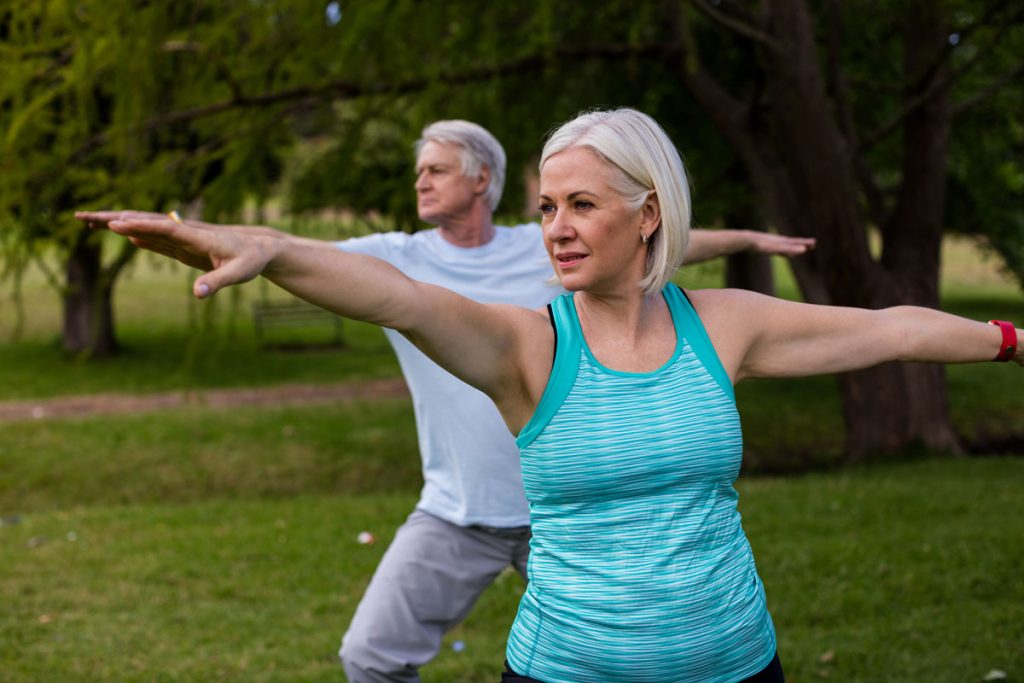
Here’s your comprehensive guide to remaining healthy as a senior in 2025, blending actionable strategies with evidence-based insights: 🌟 Benefits of Healthy Aging Modern research shows that lifestyle choices, like staying active, eating well, maintaining social engagement, and managing stress, have a greater impact on longevity than genetics—especially in later decades. New York Post+15Barron's+15Vibrant Life [...]