Written by webtechs

Fall Risk – How to Determine if You or Your Loved One is at Risk of Falling in the Home

Here are some simple questions you can ask yourself to determine if you or a loved one may be at risk for falling in your home:

Do you exercise regularly?

  • Maintaining a regular exercise program to increase strength, balance and coordination and greatly reduce the risk of falls. Recommended exercise for fall reduction are evidence-based exercises/programs such as Tai Chi.

Are you taking multiple medications?

  • Taking multiple medications can increase fall risk, due to side effects and possible drug interactions. Regularly reviewing medications with a healthcare provide can reduce the risk of medication related fall risk. It’s important to remember to dispose of unused or expired medications.

Have you modified your home environment?

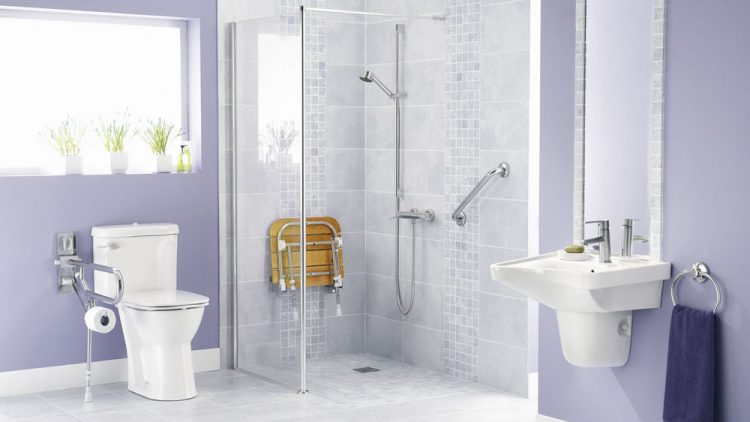
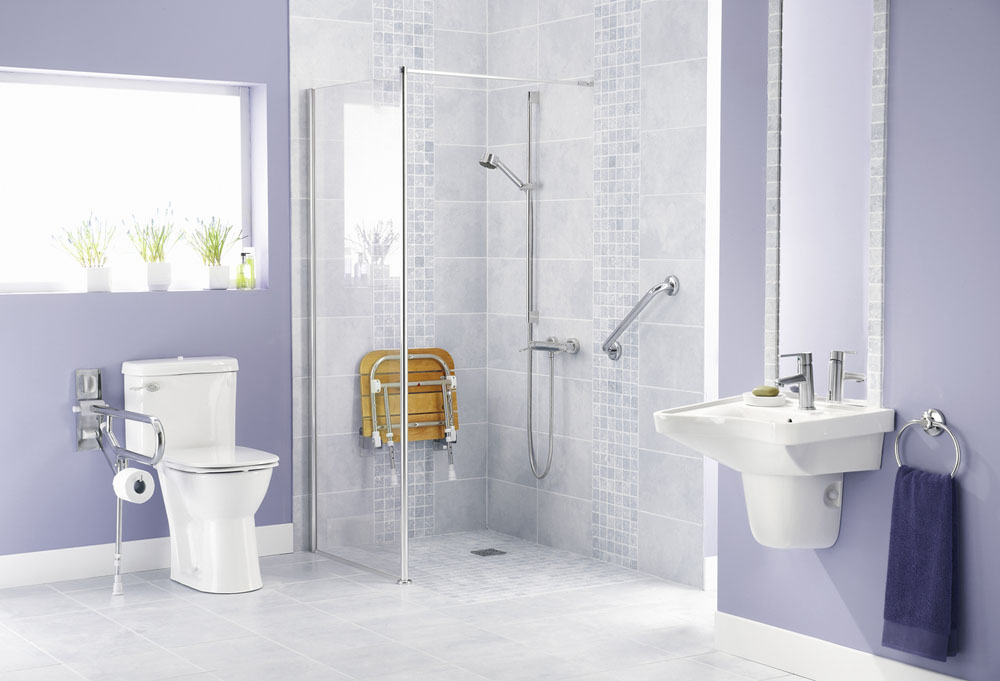
  • Modifying the home environment to reduce hazards such as slippery floors, poor lighting, uneven surfaces, removal of cords and other household obstacles can reduce the risk of unnecessary falls in the home. The bathroom is the number one place for falls in the home. Addressing balance issues in the shower and commode areas through the addition of safety grab bars, shower chairs, transfer benches and toilet risers can reduce the risk of falls in the bathroom.

Have you had a home safety assessment to determine if you are at risk of falls in your home?

  • Studies have shown that addressing multiple fall risk factors from daily activities and exercise, medication, footwear, eye exams and home environment, have the ability to reduce fall risk as statin medication does for cardiovascular disease.

Having a home safety assessment performed to identify fall risk and provide safety recommendations followed up by installation, can greatly reduce your risk of falls in your home environment. You are unique and your needs are too!

Related Posts

Cognitive Functional Capacity Evaluations

When most people hear the term Functional Capacity Evaluation, they tend to think about lifting, carrying, pushing, pulling, and other physical job demands. But not every work limitation is physical. In some cases, the real issue is cognitive. Can the person stay focused long enough to complete tasks? Can they follow instructions, manage pace, make [...]

Understanding Functional Capacity Evaluation Services for Workers Compensation Cases.

When an employee is healing from an accident, one important question decides what to do next: what can this person safely accomplish at work right now?   A Functional Capacity Evaluation, or FCE, is a whole test that uses objective, quantifiable data to answer that issue. Functional Capacity Evaluation services help employers, doctors, lawyers, and [...]

Are Office Safety Assessments a Thing for Senior Workers?

Most people think of evaluations for heavy machinery, warehouse work, or construction sites when they think about office safety assessments. But the truth is that safety in the office is important for people of all ages, but especially for older workers. As the workforce gets older and more experienced workers stay on the job longer, [...]

Minimizing Fall Risks When Leaving Hospital
Written by webtechs

Fall Risk at Discharge – What You Need To Know

  • There is a high incidence of falls after hospital discharge, particularly among patients who are functionally dependent. Major fall risk factors at discharge include: decline in mobility, use of assistive devices and cognitive impairment/confusion.
  • Patients who were functionally dependent and needed professional help after discharge had the highest rate of falls.
  • Hospitalization in older adults, including those who are admitted for medical problems, rehabilitation and acute care, has been shown to be associated with decline in function and mobility – creating a higher risk of slip and fall accidents.
  • The period after discharge has been shown to be associated with high risk of falls, social problems and medication errors, with up to 30% of older people experiencing an adverse event following hospital discharge.
  • 45% of older people fall in the period following discharge.
  • One study examining the incidence of falls in older, recently hospitalized medical patients requiring post-discharge home care, found that falls were substantially increased during the first month after hospital discharge.
  • Research has shown that fall prevention home safety assessment and home safety modification intervention immediately following discharge critically reduces the risk of falls once at home.
  • A full clinical assessment of function as it relates to how individuals are navigating their environment doing daily tasks (restroom, shower, walking through the home). Installation of safety grab bars, commode risers, shower chairs, ramps and rails are just a few of the modifications which can be made that will reduce fall risk.
  • Typically, upon discharge, families and are overwhelmed and often don’t know where to turn for resources (you can bring in MB home safety here if you’d like). Coming home following discharge is a critical time, where patients are often in a weakened, tired and cognitively impaired state. Family members rush to “get something in”. Just having a “safety grab bar” won’t do the trick, where your bar is placed and clinical attention to the placement of any modification is imperative in not risking further injury.

Related Posts

Written by webtechs

How Does Your Home Rate on Fall Prevention Safety? A Room-by-Room Guide

We’ve all read about things we can do to avoid unnecessary slip and fall accidents in our home, but how closely have you looked at specifics. Here are a few things you can do in your home, you may not have thought of, addressed or knew would assist you in being falls free in and around your home:

  1. Ensure exterior pathways are free of holes, loose stones/bricks, uneven pavement, debris or other slipping hazards.
  2. All entrances are clutter free.
  3. Handrails are present on both sides of all steps and stairways both inside and outside the home.
  4. Kitchen cabinets are easily accessible, with frequently used items placed on lower shelves.
  5. Uncarpeted steps feature a non-slip surface such as adhesive strips.
  6. Electrical and phone cords are placed out of the way, along the wall.
  7. Hallway lighting is easily accessible.
  1. Safety grab bars are present at shower entry and interior of shower as needed.
  2. Bathroom rugs should be rubber, based, non-slip. Bathroom floors, tubs and shower surfaces are treated with non-slip product to ensure increased COF (Coefficient of Friction), when surfaces are wet – critically reducing fall risk – Note: The Bathroom is the number one place for falls in the home).
  3. Access to telephones both landline and/or mobile in or near multiple rooms, including the bathroom.
  4. Furniture should be arranged to allow for easy, obstacle free passage.
  5. Do doorways safely accommodate walkers, wheelchairs and/or transport chairs?

If you or a loved one is uncertain about falls risk factors in your home, schedule a free home safety assessment today, performed by a MEASURAbilities Home Safety Physical Therapist, who will provide clinically guided solutions for you in your environment.

Learn About Our Home Safety Assessments Performed by a Physical Therapist

Related Posts

1 3 4 5