What To Do After An Elderly Person Falls At Home
A fall changes the mood of a house in seconds. An older adult may be frightened, embarrassed, or determined to stand up before anyone makes a fuss. The person helping may react just as quickly and try to pull them upright.
That instinct is understandable, but it is not always safe. Knowing what to do after an elderly person falls at home begins with slowing the situation down. Check for injury first, decide whether emergency help is needed, and only then think about movement.
The Centers for Disease Control and Prevention reports that more than 14 million adults age 65 and older fall each year. One fall also raises the chance of another. What happens afterward matters.
Do Not Rush To Lift Them
Ask the person to remain still for a moment and take a few slow breaths. Find out where they hurt, whether they struck their head, and whether they feel dizzy, weak, confused, or short of breath.
Look for bleeding, swelling, an unusual position of an arm or leg, or pain in the hip, back, neck, or head. Do not test an injured limb by moving it. Do not try to lift someone who cannot comfortably move or bear weight.
A hurried lift can worsen an injury. It can also injure the family member or caregiver attempting it. When the situation is uncertain, getting trained help is the sensible choice.
Know When To Call 911
Call 911 when the person is unconscious, has severe pain, cannot move a limb, is bleeding heavily, appears confused, has trouble breathing, reports chest pain, or may have injured the head, neck, back, or hip. A head impact deserves particular care, especially when the person takes medication that affects blood clotting.
Stay with them while help is coming. Keep them warm and comfortable, and follow the instructions provided by the emergency dispatcher.
Even when there is no obvious emergency, report a new fall to the person’s healthcare provider. Pain and bruising can appear later, and the fall may have been linked to medication effects, low blood pressure, poor vision, weakness, or a balance problem.
Help Them Rise Only When It Appears Safe
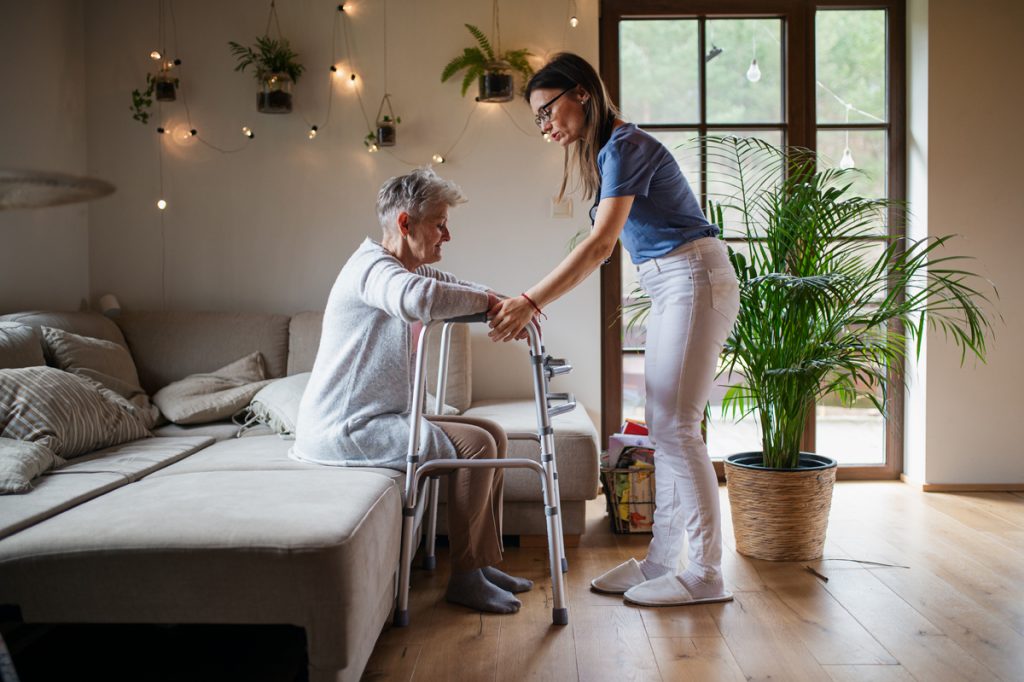
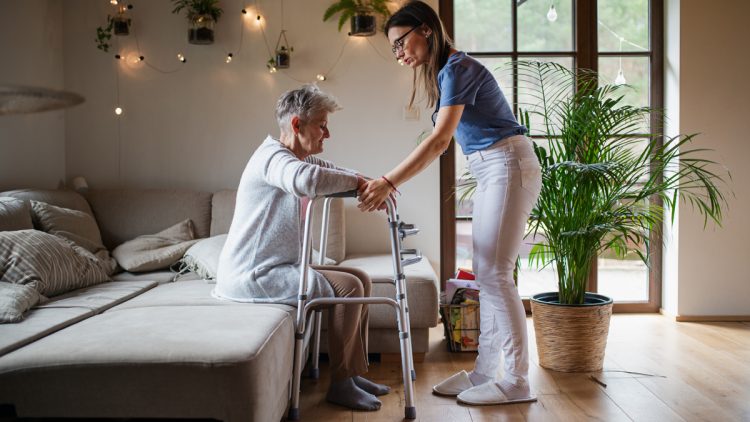
When there is no sign of injury and the person says they feel able to get up, let them lead the movement. The National Institute on Aging advises taking time, rolling onto one side, moving onto hands and knees, and crawling toward a sturdy chair.
From there, the person can place both hands on the chair, bring one foot forward, and rise slowly before sitting down to recover. This is not the moment for a dramatic pull from under the arms.
If the person cannot complete the movement, stop. Call for assistance rather than turning one fall into a second accident.
Record What Happened
Write down the time, location, activity, footwear, lighting, symptoms, and anything the person remembers immediately before the fall. Note whether they had recently stood up, used the bathroom, changed medication, or felt dizzy.
This gives a doctor or therapist something more useful than, “I just lost my balance.” Two nighttime falls near the bathroom suggest a different problem from repeated stumbles at the front step.
Prevent The Next Fall
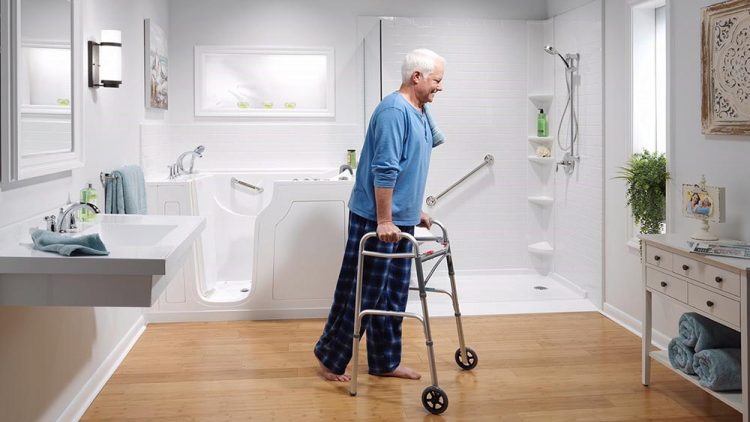
MEASURAbilities Home Safety offers licensed physical and occupational therapists who can perform a clinically guided home safety assessment. This is an ideal and methodical way to assure recommendations suit your living environment but can also take into account your physical limitations as well as the myriad reasons a situation may contain one or more fall risk factors. Our experienced professionals would be delighted to assist you with this.
Schedule A Home Safety Assessment
A fall should not be dismissed as bad luck. MEASURAbilities Home Safety provides free home safety assessments performed by physical and occupational therapists, followed by clinically guided recommendations for safer movement at home. Call 480.214.9725 to discuss the fall, arrange an assessment, and take practical steps to reduce the chance of it happening again.
Live References
Centers for Disease Control and Prevention: Older Adult Falls Data
https://www.cdc.gov/falls/data-research/index.html
National Institute on Aging: Falls and Fractures in Older Adults
National Institute on Aging: Preventing Falls at Home Room by Room
https://www.nia.nih.gov/health/falls-and-falls-prevention/preventing-falls-home-room-room